NERS accredited electricity connection specialists

LV Electricity Connections for Small Developments

Low voltage electricity connections for residential and small commercial developments. From Point of Connection application to NGED energisation, under one contract.

NERS accredited NGED approved LV specialist
The Process
1
POC application to NGED
2
Design & civil works
3
Jointing & cut-in
4
Energisation
From POC Application to Live Supply

The Process Step by Step

Every LV connection follows a clear, auditable sequence. Here is exactly what happens at each stage.

1

Point of Connection Application

The first step is establishing where on the NGED low voltage network the new main will connect. USP prepares and submits the formal POC application to NGED, including the load assessment, site layout, proposed meter positions, and maximum demand calculation. NGED confirms the Point of Connection, advises on any network reinforcement required, and issues a connection offer detailing non-contestable charges. USP manages this process and keeps you updated throughout.

2

Design and Civil Works

With the POC confirmed, USP prepares the detailed engineering design for the new LV main. This covers cable route selection, cable sizing (95mm², 185mm², or 300mm² waveform cable depending on demand), jointing bay positions, and ducting layout. Where possible the LV cable trench is coordinated with gas and water to minimise excavation. USP obtains all necessary permits, manages traffic management, and delivers the civil and cable installation works.

3

Cable Jointing and Cut-in

All cable jointing is carried out by NGED-approved operatives working to NGED technical standards. The new LV main is jointed and terminated ready for the non-contestable cut-in by NGED's operations team. The cut-in connects the new cable to the existing NGED network and is a non-contestable activity that only NGED can carry out. USP coordinates the NGED cut-in booking, attends on the day, and carries out all pre-cut-in checks.

4

Energisation

Energisation of the new LV network, including individual plot connections, is a non-contestable activity scheduled and carried out by NGED. USP coordinates the energisation appointment, carries out pre-energisation checks, and confirms all service connections are ready before the NGED visit. Once energised, meter installation can proceed and supplies can be switched on plot by plot as completions occur.

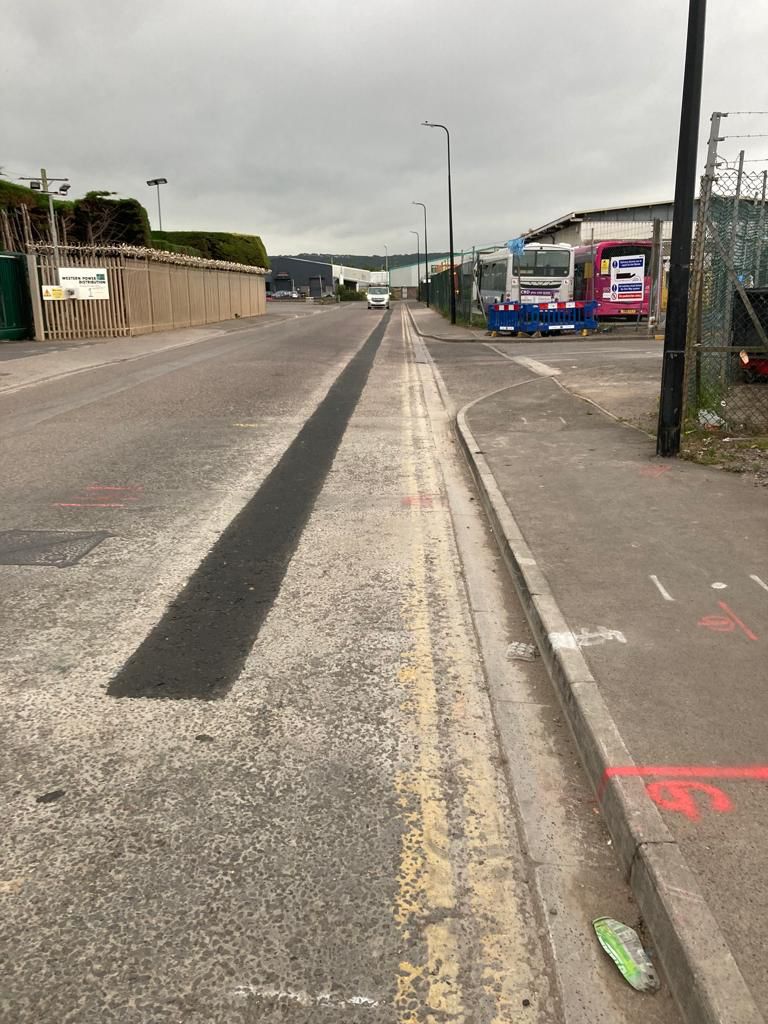
Electrical cable installation on a development site
Proof on the Ground

See it in action

Every LV main we install is NGED inspected and formally energised before handover. These are real USP projects, not stock photos.

500+
Electricity connections delivered
50
5-star Google reviews
10+
Industry accreditations
Key Technical Considerations

Technical Specifications

The critical parameters that govern every LV electricity connection.

LV voltage
230V single-phase or 400V three-phase. Standard for residential and small commercial premises.
Cable type
Waveform cable in 95mm², 185mm², or 300mm². Cable size is determined by load assessment and route length.
Jointing
All jointing carried out by NGED-approved operatives. Required for contestable LV works.
Cut-in
Non-contestable activity. Carried out by NGED operations team only. USP coordinates booking and pre-checks.
Energisation
Non-contestable activity. Scheduled by NGED. USP manages booking and readiness.
Typical schemes
Up to approximately 50 plots residential or approximately 100kVA commercial load. Larger schemes will require HV assessment.
Why Choose USP

What USP Can Do For You

End-to-end LV connection capability from a single NERS-accredited provider.

NERS accredited and NGED approved for all contestable LV works, giving NGED confidence in our installation quality.
We manage the full POC application and design approval process, reducing delays and keeping your programme on track.
Multi-utility trench coordination with gas and water saves significant civils costs compared to separate utility contractors.
Directly employed NGED-approved cable joiners on staff, not subcontracted, ensuring consistent quality and programme control.
We track NGED energisation appointments proactively and carry out all pre-energisation checks to avoid abortive visits.
Certified Provider

Fully Accredited & Committed to Safety

Every electricity connection we deliver meets the highest industry standards. Worker safety, public safety, environmental responsibility, and project compliance from planning to sign-off.

WaterSafe accredited
WIAPS accredited
LRQA WIRS certified
LRQA NERS certified
LRQA GIRS certified
ISO 9001 certified
Achilles UVDB Silver Plus
Constructionline member
SSIP accredited
Acclaim accredited
What Our Clients Say About Us

Rated 5.0 ★★★★★

50 Google Reviews

LV Connections FAQs

Frequently Asked Questions

LV stands for low voltage, typically 230V single-phase or 400V three-phase. It is the standard supply for residential properties and small commercial premises drawing under around 100kVA. Most housing developments of up to 50 plots and smaller commercial schemes are supplied at LV. Developments with higher total demand will require an HV connection and on-site substation.
NGED (National Grid Electricity Distribution) typically processes LV Point of Connection applications within 30 to 65 working days. USP submits all required information upfront to avoid queries and delays. We factor the POC lead time into your programme from day one so it does not sit on the critical path.
The cut-in, which connects the new LV main to the existing NGED network, is a non-contestable activity. This means it can only be carried out by NGED's own operations team. Similarly, energisation is a non-contestable activity managed by NGED. USP coordinates both bookings and carries out all pre-energisation checks to ensure nothing delays the NGED visit.
Yes, and it is one of the key advantages of using USP as your multi-utility contractor. By combining LV cable installation with gas mains and water mains in a shared coordinated trench, we significantly reduce civils costs and minimise disruption to the build programme. One trench, one programme, one contract.
As a general guide, once total maximum demand exceeds around 500 to 800kVA, NGED will typically require an HV connection and on-site substation rather than an LV extension. This threshold depends on the local network and available spare capacity. USP carries out a load assessment and network capacity check early in the project to confirm which connection type is appropriate for your scheme.
Get Started

Ready to Get Power
to Your Development?

Tell us about your project and we will send you a free, no-obligation electricity connection plan within 24 hours.

100% free, no obligation Response within 24 hours 5.0 from 50 Google reviews

Prefer to talk? Call 024 7542 6505 for immediate service.

Get a Quote